
When we install an entire house filtration system, it’s natural to wonder if it might affect water pressure. After all, clean water should still flow well. That question becomes even more important around early September when we’re heading into spring in Perth. After a long winter of heavy use, filters can be a little clogged, pipes might be working harder, and any build-up from stormy months could be hanging around. Before the heat kicks in and water use goes up, it’s smart to sort out any pressure hiccups.
This article looks at how water pressure works in a home, what a filtration system really does to that pressure, how to spot problems, and why proper checks each season help things run smoothly. Whether you’re curious or already noticing a weaker shower, this will give you some clarity.
Water pressure is just the force that pushes water through your pipes and out your taps. Most homes in Perth rely on mains water. That supply brings water in at a fairly steady pressure, but a few things can change that once it reaches your plumbing.
Good pressure means water feels strong at the tap, fills sinks quickly, and runs showers smoothly. When that starts to change, it doesn’t always mean the system’s failing. Often, it’s just a sign something along the way needs attention.
Proper water pressure is important for daily life. If pressure drops too low, even simple things like washing your hands or rinsing veggies may take longer. Sometimes, older homes can develop extra resistance over time, and this can appear as random drops in flow, especially during high-use periods when several taps are on at once.
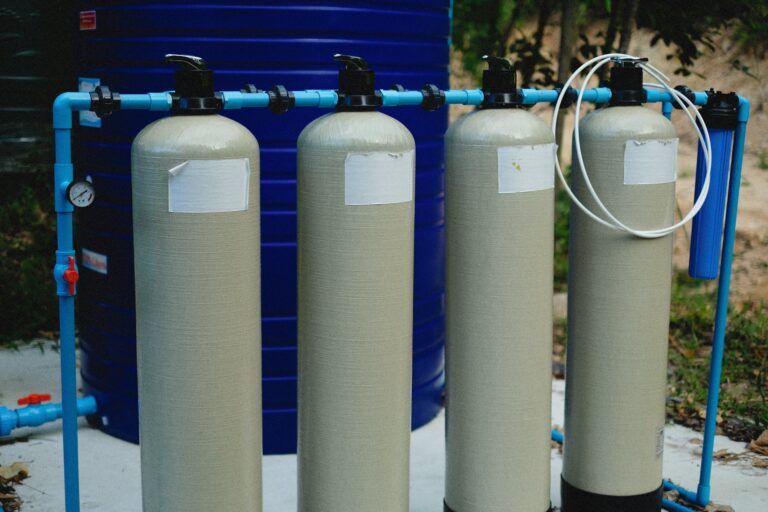
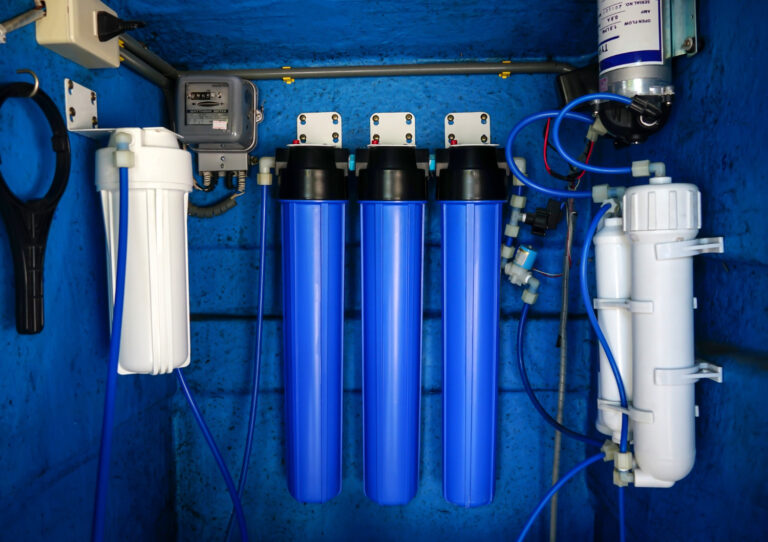
Once water enters the home, it often passes through an entire house filtration system before reaching any taps or appliances. That system works continuously to capture dirt, chlorine, sediment, and sometimes even minerals.
As water moves through the different filter stages, it does lose a bit of its push. Filters act like nets, and netting water does slow it slightly, especially if the filters are full or nearing end-of-life. That’s part of how clean water gets delivered reliably, but there’s always a balance.
Most of the time, a well-chosen and properly installed unit should only create a small drop in pressure, barely noticeable on a normal day.
The Whole Home Filtration System Platinum Edition from Home Filtration Systems Pty. Ltd. offers dual-stage, high-capacity filtration with UV-resistant housings, supporting consistent pressure and flow even in high-use homes. These systems are engineered for the demands of Perth’s residential water and variable weather conditions.
Systems that use multiple filtration stages require each stage to work properly for the flow to remain strong. If any particular stage gets overloaded, it impacts the overall water speed in the system. When regular checks are kept up, the household can keep enjoying fresh, filtered water with barely any noticeable difference in the flow.
Even a tiny change in daily water habits can show up when the system starts to struggle. Filters don’t stop working all at once, but they do collect more material in the months following heavy rain or stormy seasons. Spring is when many people begin noticing weaker pressure without realising it’s linked to the system doing its job.
Keep an eye out for:
These changes often appear one room at a time and can vary depending on the time of day or which tap you’re using. If one area feels normal and another feels sluggish, it’s likely an early sign that the filters need checking or replacing.
Sometimes, the signs of pressure changes are subtle. You might not spot a problem until you use multiple fixtures at once and notice a dip in power. Slight noises or air bubbles could also be an early clue that a filter or pipe is struggling to keep up.
It’s common for people to overlook the cause at first, assuming it’s just a high-use day or a busy household. However, when a pattern shows up, particularly in spring, the filter or a related part of the system may be behind it.
When pressure drops, our instinct might be to blame the filtration system. But sometimes, it’s something else entirely. Older homes especially can have existing plumbing issues that only become noticeable when filters add a little more resistance.
Other reasons pressure might be dropping:
If you’re noticing pressure loss and you’ve already done a filter change, it’s worth having the whole system inspected. That way you can isolate whether the culprit is really the filtration unit or an underlying plumbing issue.
Having regular plumbing maintenance is important for keeping water pressure healthy. A blocked or leaking section of pipe can reduce flow in only one part of the house, which is why small, isolated problems often go unnoticed. If the issue falls outside of the filtration system, a plumber may be needed to track it down.
Simple changes in weather, water quality shifts caused by street works, or a pressure-reducing valve set at the wrong setting can also play a role. If the whole house filtration system is in good shape but pressure feels off, these outside factors are always worth checking.
Regular filter changes go a long way in keeping water clean and pressure steady. After winter in Perth, filters often carry more sediment from surface runoff, tank inflow, and sudden pressure shifts from strong winds and rainfall. A clean filter lets water move through more freely, which helps taps, showers, and appliances perform better through spring and summer.
We suggest doing a full system check-up each spring, especially before water demand climbs. This includes:
A few simple tasks now can prevent longer fixes later and help everything feel sharper once temperatures rise.
The Platinum Edition filtration systems from Home Filtration Systems Pty. Ltd. use easy-service designs and brass bypass valves, supporting quick seasonal filter swaps and hassle-free maintenance when spring demand is picking up.
Yearly attention to the filtration system keeps the whole water supply strong. Even if your water seems fine, swapping out old cartridges and flushing lines helps prevent build-up and makes sure the system keeps doing its job over time.
When filters get clogged after a long, wet winter, pressure drops can happen almost without warning. That’s why it pays to be a little extra careful as spring gets started, before any big issues develop. Skipping maintenance for long stretches can let particles collect and cause the system to work harder, reducing both water quality and pressure.
An entire house filtration system doesn’t need to slow your flow. When filters are replaced regularly and the system is properly sized, most people won’t even notice it working. But when filters are left too long or if plumbing has unseen damage, that clean water can come through a lot slower.
Getting ahead of it in early spring makes a real difference. Know how your water works, see the signs early, and treat your filters like you treat other appliances, worth looking after. Clean water and strong pressure can go together with a bit of regular care.
Maintaining great water quality and consistent pressure is easy with Home Filtration Systems throughout Perth, Australia. Our solutions are designed to ensure reliable flow and filtration even during dry spells and periods of high demand. Discover how an entire house filtration system fits your lifestyle and keeps your water running smoothly every day. Reach out to our team to discuss the best options for your home.