Based on 23 reviews
100%
(23)
0%
(0)
0%
(0)
0%
(0)
0%
(0)

5 Micron PP Sediment Filter — 20″ × 4.5″
HFS-F01M-PP2045


5 Micron PP Sediment Filter — 20″ × 4.5″
Polypropylene sediment cartridge. Captures sand, dirt and rust before the carbon and resin stages.


The Standard 20″ × 4.5″ Replacement Filter Pack has this cartridge plus two more stages.


The Year 1 Triple Whole-House UV Replacement Pack — 20″ × 4.5″ has this cartridge plus two more stages.
The Year 2 Triple Whole-House UV Replacement Pack — 20″ × 4.5″ has this cartridge plus two more stages.
Measure the cartridge you're replacing, not its housing.

Will it fit?
Measured it and still not sure?
Send a photo of the cartridge beside a tape measure and we'll tell you which size it is.
Call 1300 264 173 or email sales@homefiltrationsystems.com.
Nominal sizes vary a little between makers, so match the measurement rather than the label. What we can't tell you is how ours compares to a cartridge we didn't make and haven't tested, or whether a replacement affects your housing's own warranty; that one is between you and its manufacturer.
Fitting it, and what comes out
Need help with the change? Call 1300 264 173.
What happens, in order
Reviews
Only buyers we can match to an order can leave one, so the count is lower than it would be otherwise.
Our family had an amazing experience with Home Filtration Systems. From the professional service to the quick delivery and installation of our filtration system. We noticed the difference and quality of our water almost immediately. Having the peace of mind knowing our children have the highest quality of water on tap is worth every cent. We highly recommend Home Filtration Systems!
Hi Aaron, Glad to hear your experience was a memorable one! Thank you for taking the time to complete a review. HFS Team
Can highly recommend! Always a great service, good price and good workmanship!
Hi Brandon, Thanks for taking the time to complete a review. We are glad to hear you are happy with the service!
Once again fantastic correspondence Angus is a gentleman with very good manners. It always a pleasure to business. This time i made a mistake ordering my filter, wrong ones it was Sunday so i called his mobile he didn’t answer but called me back within 15mins to rectify the issue i had made. He promptly called as he said he would 9:05 Monday morning the filters arrived Tuesday morning then fitted them within 30 mins once again i cannot give him enough praise for the customer service and prompt delivery.
Hi Robert, I glad you are happy with your experience. Thank you for taking the time to complete a review on your experience. HFS Team
Angus responded quickly with knowledge, advice & options. It was a short lead time & they completed a neat installation. I’m happy I made the decision & would recommend Home Filtration Systems to others
Hi Tomasia, Thank you for taking the time to complete a review on your experience.
Angus was very professional and knew his stuff. Left the site neat and tidy and did a super job, can definitely feel the difference already
Hi Neil, I am glad to hear you were happy with the service and your experience. Thank you for taking the time to complete a Google review. HFS Team
This process couldn’t have been simpler, from receiving the quote to the installation. This was done on time and the actual process was explained by the installation team. I didn’t expect such a change in the water quality and would highly recommend Angus and his team if you are looking into getting this done at your home.
Hi Andrew, Thank you for sharing your experience. I am glad you found the process simple and efficient. Enoy your new system! HFS Team
Fantasic service!! I was called the next day after requesting an online quote and Angus went through what I was looking for, gave me a couple of suggestions. One I confirmed the order our new water system was in 2 weeks later and nothing but positive comments about the taste. And there was no change to the water pressure. I couldn't be happier.
Hi Sharon, Thanks very much for taking the time to share your experience! I glad to hear your are happy with the purchase and the results. HFS Team
At the recent Harvey Show, I met Angus from 'Home Filtration Services'. He was extremely helpful and proud of this product, which has a proven track record. As a home do-it-yourself person, I was offered an extremely good system at a fair price with an excellent warranty. Also received detailed step-by-step instructions within a few hours of any query raised by e-mail. Filtration is now up and running well with 'before and after' taste/purity tests completed to 100% satisfaction. Highly recommended.
Hello John, Great to hear the product is meeting your requirements! Thank you for taking the time to complete a review and we look forward to seeing you next year!
I had an outstanding experience with Home Filtration Systems. The team provided top-notch service from start to finish. They gave me all the materials I needed and coordinated a professional installer who did a fantastic job. The water quality is amazing now, and I couldn’t be happier. Highly recommend them!”
Hi Stuart, Thanks very much for the excellent review. Glad to hear you are happy with your experience. Hope you enjoy the quality of your drinking water. HFS Team
Loving the quality of this product. I can taste and feel the difference! ⭐️⭐️⭐️⭐️⭐️
Excellent to hear your happy with the system Jim. Appreciate your feedback.
Generally I find 2 features of a good business Product and Service. Home filtration Systems have 5 stars for both. My drinking water is crystal clear, odourless and pure. The system is simple, effective and has auto features and shut off valves in the unlikely case of any water leaks you won't cone home to a flooded floor. Installation was on time and technician took away all packaginf and any mess was promptly cleaned . Thanks Angus and team
Thank you for your fantastic review, Edwin! We're thrilled to hear that you are enjoying the clarity and purity of your drinking water. It's great to know that our installation team provided a clean and timely service. We appreciate your support.
⭐️⭐️⭐️⭐️⭐️ I couldn’t be happier with the service provided by Home Filtration Systems—Angus was an absolute legend! From the moment he arrived, he made everything easy and stress-free. He was professional, super knowledgeable, and went above and beyond to make sure everything was perfect. He explained the system in a way that actually made sense, and his passion for what he does really stood out. The filtration system itself is amazing—I’ve already noticed a huge difference in the water quality. But what really made this experience special was Angus himself. Not only did he provide top-notch service, but he also shared some of his wild adventures up north. Hearing his stories added such a personal touch—it felt like I was catching up with an old mate while getting the job done! If you’re looking for a top-tier product, exceptional service, and someone who truly cares about their work, Angus is your guy. Highly recommend Home Filtration Systems—don’t miss the chance to work with Angus!
Hi Josh, Thank you very much for your review on your purchase. I am glad you are happy with your experience. I hope you enjoy the quality of the water coming to your home now. thanks again
I recently purchased a home filtration system and I couldn’t be more impressed! The product quality is exceptional—our water tastes amazing, and I love knowing I’m providing my family with clean, safe drinking water. The customer service team went above and beyond, guiding me through the process and answering all my questions with patience and expertise. What truly sets this company apart is their commitment to the environment and our future. Their eco-friendly practices and dedication to sustainability really resonated with me. I highly recommend Angus and his team at Home Filtration Systems to anyone or any business looking for a reliable filtration system and a company that genuinely cares about its customers and the planet.
Hi Jess, Thank you very much for your valued review. We are glad you are happy with your purchase and the experience you have had with our team.
Excellent service
Hi Ryan, Thanks for your review. We are glad you are happy with your experience with us.
Great product purchased 6 months ago. We dealt with the business owner, Angus direct. He tested our water to supply the best system dedicated to our needs. No problems at all and the water tastes great. Best of all he was the cheapest on the market we could find.
Hi Turns, Thanks very much for your review. Great to hear your system is performing well for you.
Excellent service and products. Highly recommend..
Hi Romulus, Great to hear you are happy with your purchase. Thank you for your feedback. We appreciate your review.
Home Filtration Systems were super easy to deal. Angus and Tom were very professional and any doubt or questions were thoroughly answered with reassurance. The finished product looks superb. The clean up post installation could not be faulted. Finally the water tastes way better, and we cannot believe we didn't do it sooner. I highly recommend Home Filtration Systems to anyone who has issues with their water quality. I would further recommend reaching out to them for advice at a minimum.
Hi Brian, Glad to hear you are happy with the system and your water is now tasting great!
Excellent customer service and fast installation, the water taste is great, no more plastic water bottles any more. Life time warranty is peace of mind. Highly recommended
Thank you for the feedback Hasan. I am glad you are happy with your purchase and enjoying the new water system. Enjoy the Easter long weekend.
After hearing great things about Home Filtration Systems from family and friends we decided to get a system for our home, and so glad we did! The service from the team is top shelf stuff; friendly, professional and speedy. We have noticed a big difference in the taste of our water. The lifetime warranty is also a bonus that we couldn’t find offered from other home filtration business. Would recommend Home Filtration Systems 👍🏻
Hi Briana, I am glad you are happy with your new system and all your expectations are being met. Appreciate your positive feedback.
Amazing job. Both my water and health has improved dramatically. Couldn’t recommend highly enough
Hi Adam, I am glad you’re happy with the system. It blends into your garden well 🙂 appreciate your feedback
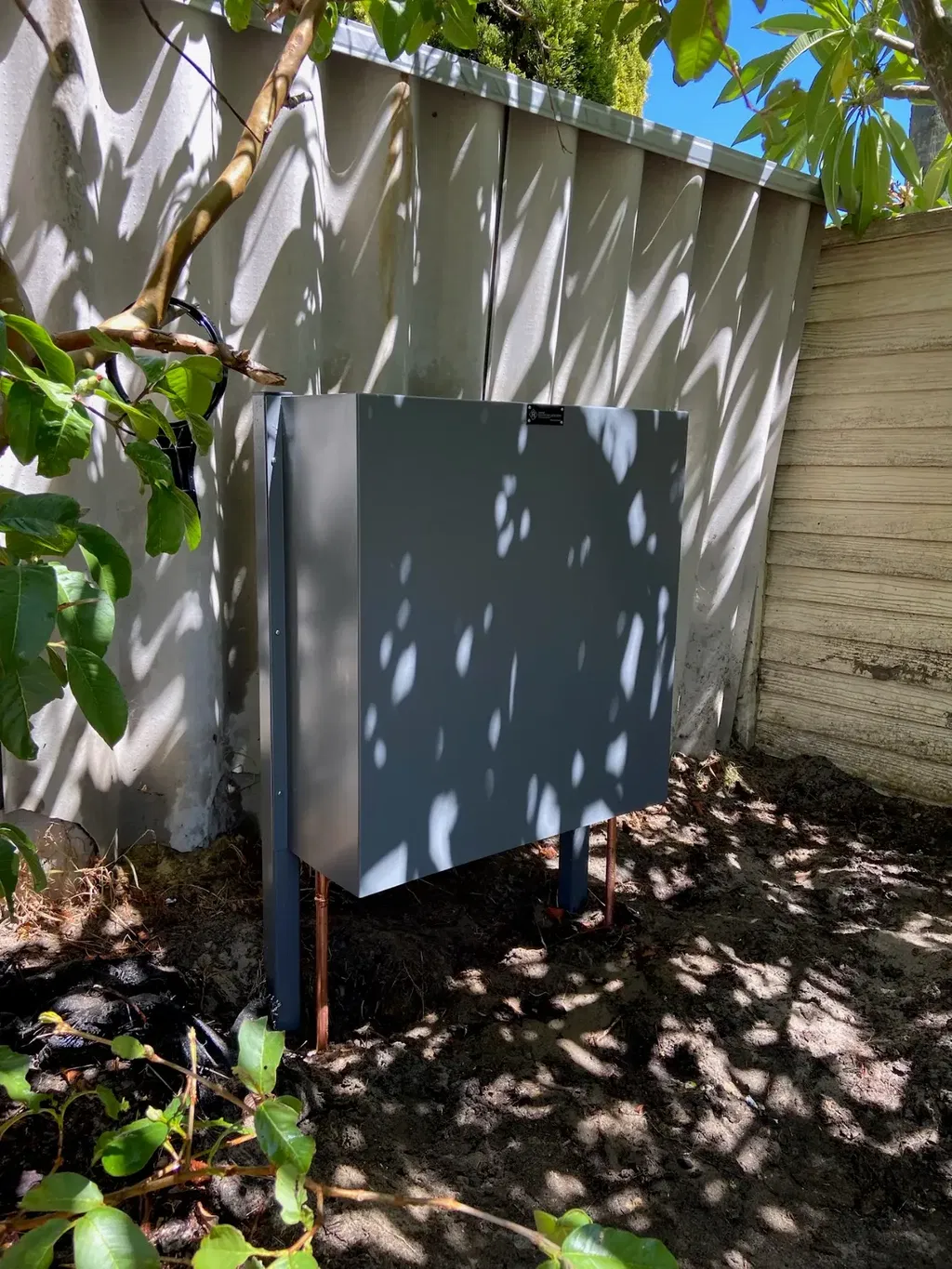
Angus, the manager at Home Filtration Systems, orchestrated the installation of our complete water filtration system, housed in a remarkable color-coded aluminum enclosure box. This attention to detail is just one example of the precision and care exhibited by Angus and his team. The professionalism and expertise displayed throughout the installation process were commendable. Our water quality has noticeably improved, and the aesthetically pleasing enclosure adds a touch of sophistication to the system. I confidently give Home Filtration Systems 5 stars for their outstanding service.
Hi Ben, It is great to hear your getting your value out of the system and you are happy with it. I appreciate the confidence you have in our work and the positive feedback 🙂
My favourite house upgrade by far 👍
Hello Andre, Excellent to hear you are happy with your purchase. The colour of your filtration unit looks great on the house 🙂
The water filters we added to our family home has been great. The water tastes far fresher and even looks free from sediment. Angus and the team were easy to deal with and installation plus aftercare services have been great. I would highly recommend Home Filtration Systems.
Hi Joe, It’s great to hear you are now happy with the water quality coming from your family home 💦 🏠 I appreciate the feedback and the trust in our team.
Usually, if the housing takes standard cartridges of the same nominal size. Compare the length, diameter, end caps and seals with the cartridge you're replacing. Proprietary quick-fit heads need their own matching replacements. If you're unsure, send HFS a photo of the housing and the old cartridge.
For carbon and resin cartridges, yes. A sediment stage ahead of them catches sand, rust and grit that would otherwise clog them early and shorten their life. A sediment cartridge is that first stage itself.
Go by the change interval for this cartridge, adjusted for your water and use. Signs it's due: lower flow or pressure (sediment), chlorine taste or smell coming back (carbon), or scale returning on taps and kettles (resin). Don't wait for the signs to get bad; a spent cartridge has stopped doing its job.
Most people change cartridges themselves. Turn off the supply, release the pressure, unscrew the housing, swap the cartridge, check the O-ring is seated, then refit and flush. Follow your system's own instructions. If you can't isolate the supply safely or aren't sure, ask HFS or a qualified plumber.
That depends on your housing or system manufacturer's warranty terms. Some require their own branded cartridges; others only need the right size and type. Check your terms before you substitute, and ask HFS if you're unsure.
Used cartridges generally can't go in household recycling, because of the media and what they've caught. Check your local disposal guidance. Ask HFS if you're unsure, especially if the filter was used for a known water-quality issue.